
Pest Control in Dubai & Sharjah: Complete Guide to Professional Pest Control Services
Cockroaches in the kitchen, ants near the pantry, or unexplained bites from bed bugs? The UAE's warm climate creates ideal conditions for pests all year round. This guide covers what pest control actually involves, the most common pests in the region, how professional treatment works, and how Total Defence keeps homes and businesses protected.
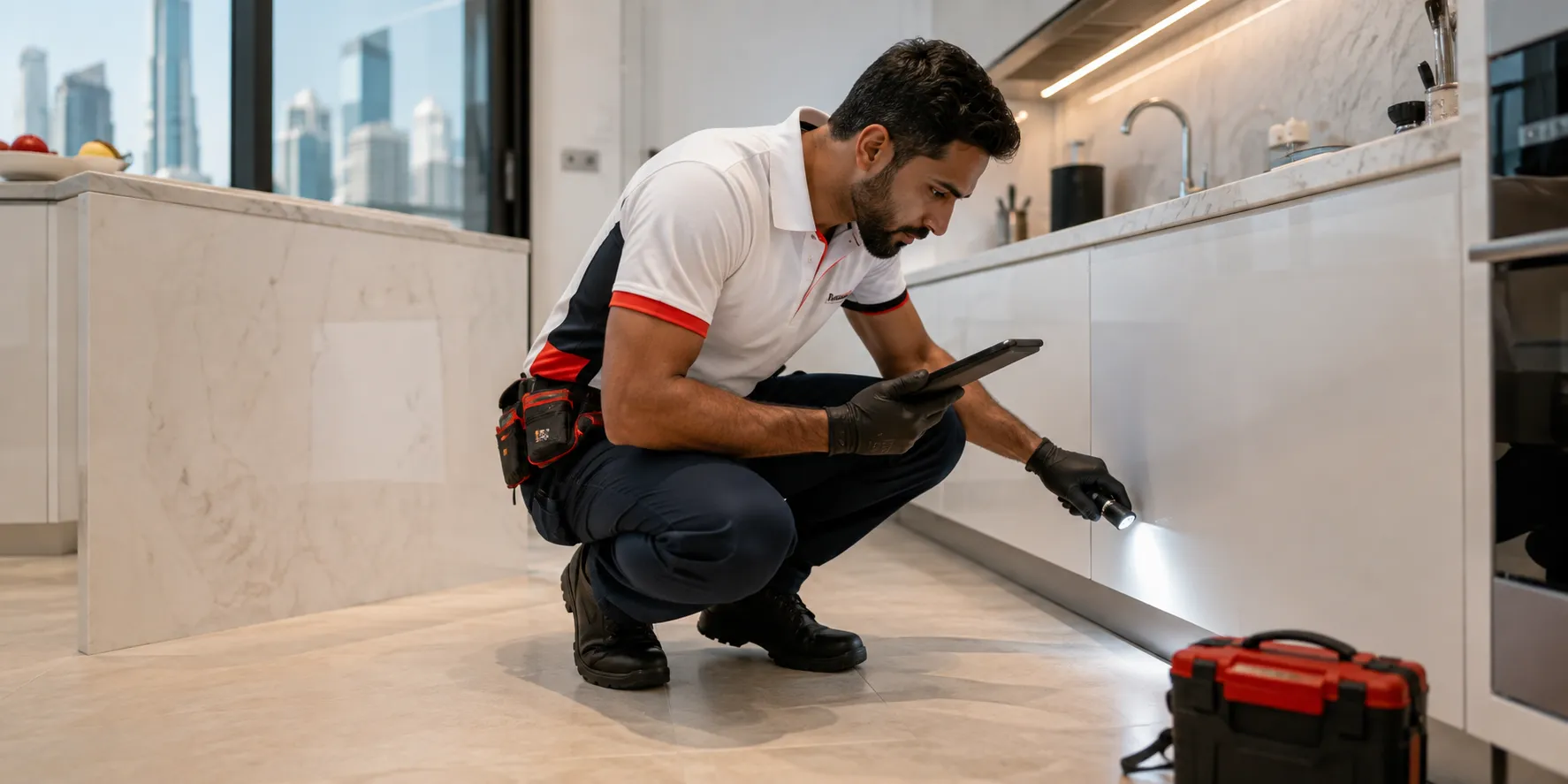
What Is Pest Control?
Searching "what is pest control" or "pest control meaning"? It's more than spraying chemicals — here's what a proper pest control process actually involves.
Pest control is the process of preventing, controlling, or eliminating unwanted insects, rodents, and other pests from residential or commercial properties. Professional pest control involves identifying the pest, finding the source of the infestation, determining how severe the problem is, and selecting an appropriate treatment method.
Effective pest management generally involves a combination of pest inspection, identification, locating entry points and hiding areas, targeted treatment, prevention measures, monitoring, and follow-up treatments when necessary. The objective is to control the existing infestation while reducing the possibility of pests returning.
Pest Control Meaning: What Does It Actually Do?
The simple pest control meaning is the management and removal of pests that can damage property, contaminate food, spread diseases, or create an uncomfortable environment. Different pests require different approaches — cockroaches may need gel baiting and sanitation, bed bugs need detailed inspection and specialised treatment, termites need structural inspection, ants need nest and entry-point treatment, rodents need traps and exclusion, and flies need treatment combined with source control.
Warm weather, food waste, moisture, cracks and gaps, poor sanitation, drainage issues, and construction activity all give pests access to food, water, and shelter across residential and commercial properties year-round in the UAE.
Common Pests Found in Dubai, Sharjah & Ajman
Correct identification changes everything about treatment. Here's what we treat most often across homes and businesses in the UAE.
Our full range of pest control services can address many different types of pests, and each one requires a different treatment approach.
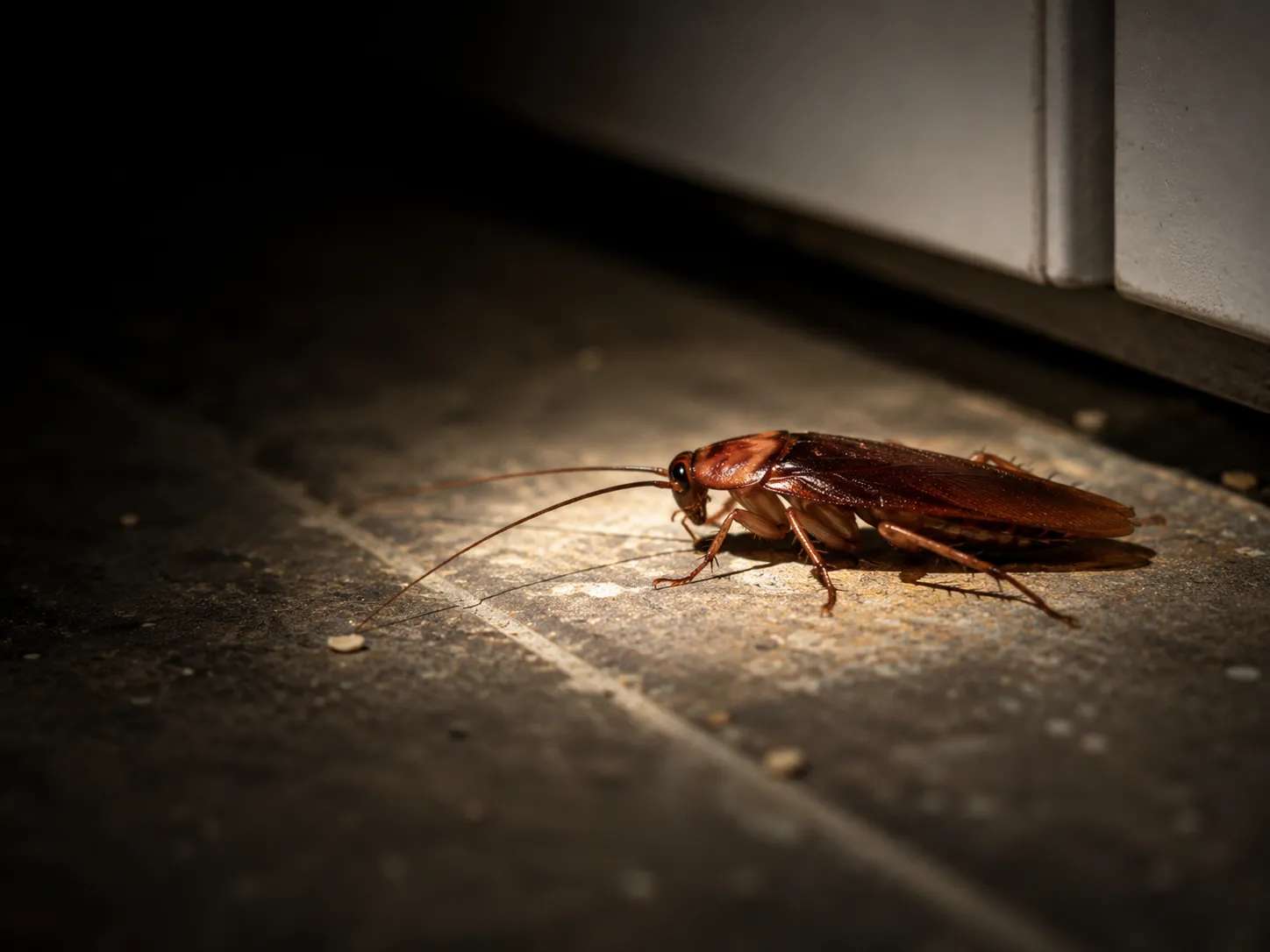
🪳 Cockroaches
Hide in kitchens, drains, cabinets, wall gaps, and appliances. Can become difficult to manage if the infestation is allowed to grow.
⚠ High Risk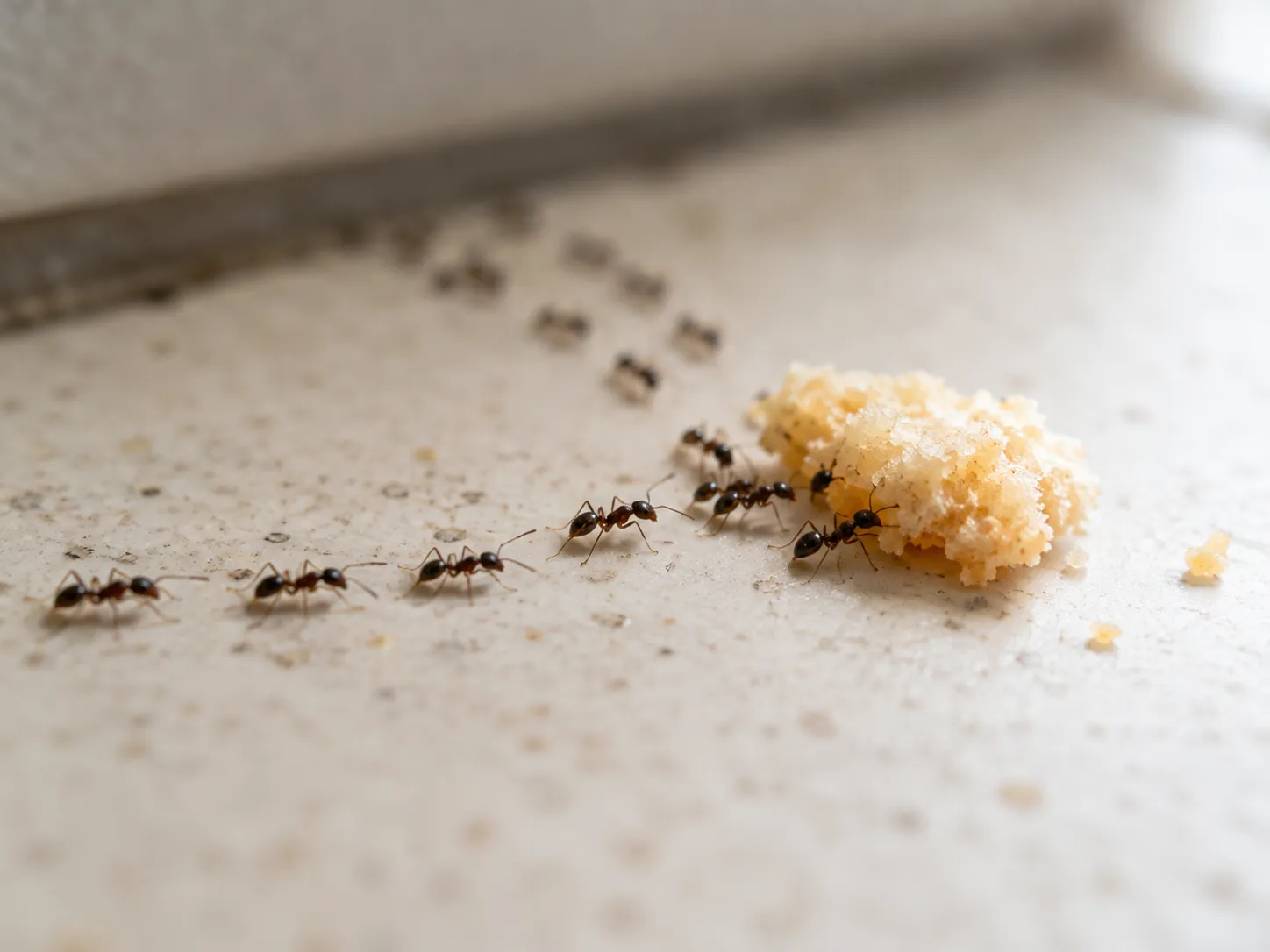
🐜 Ants
Enter through very small openings while searching for food and water. Killing visible ants alone rarely eliminates the colony.
⚡ Colony Risk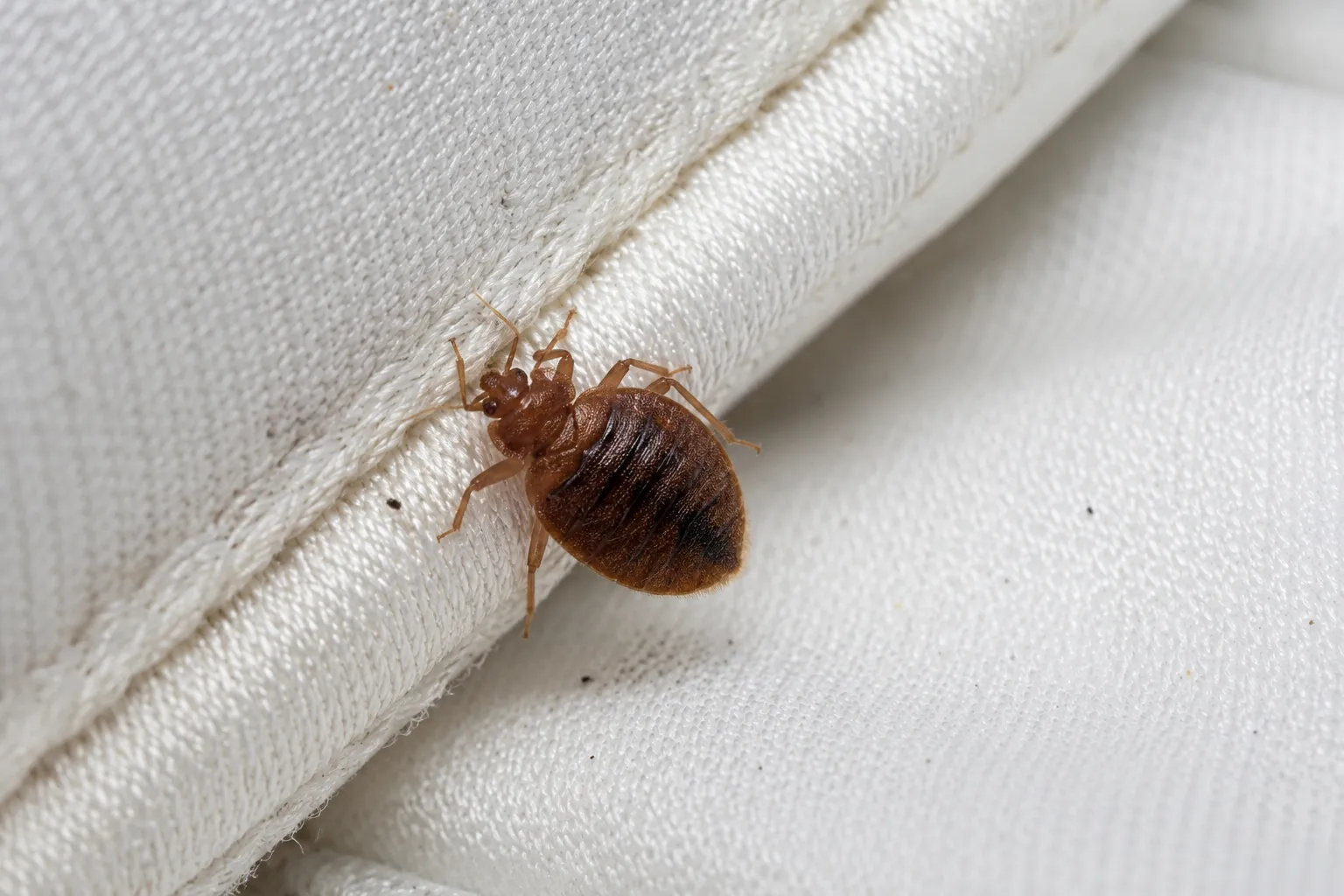
🛏 Bed Bugs
Hide in mattresses, bed frames, furniture, cracks, and upholstery. Spread through luggage, clothing, and furniture.
⚠ Hard to Eradicate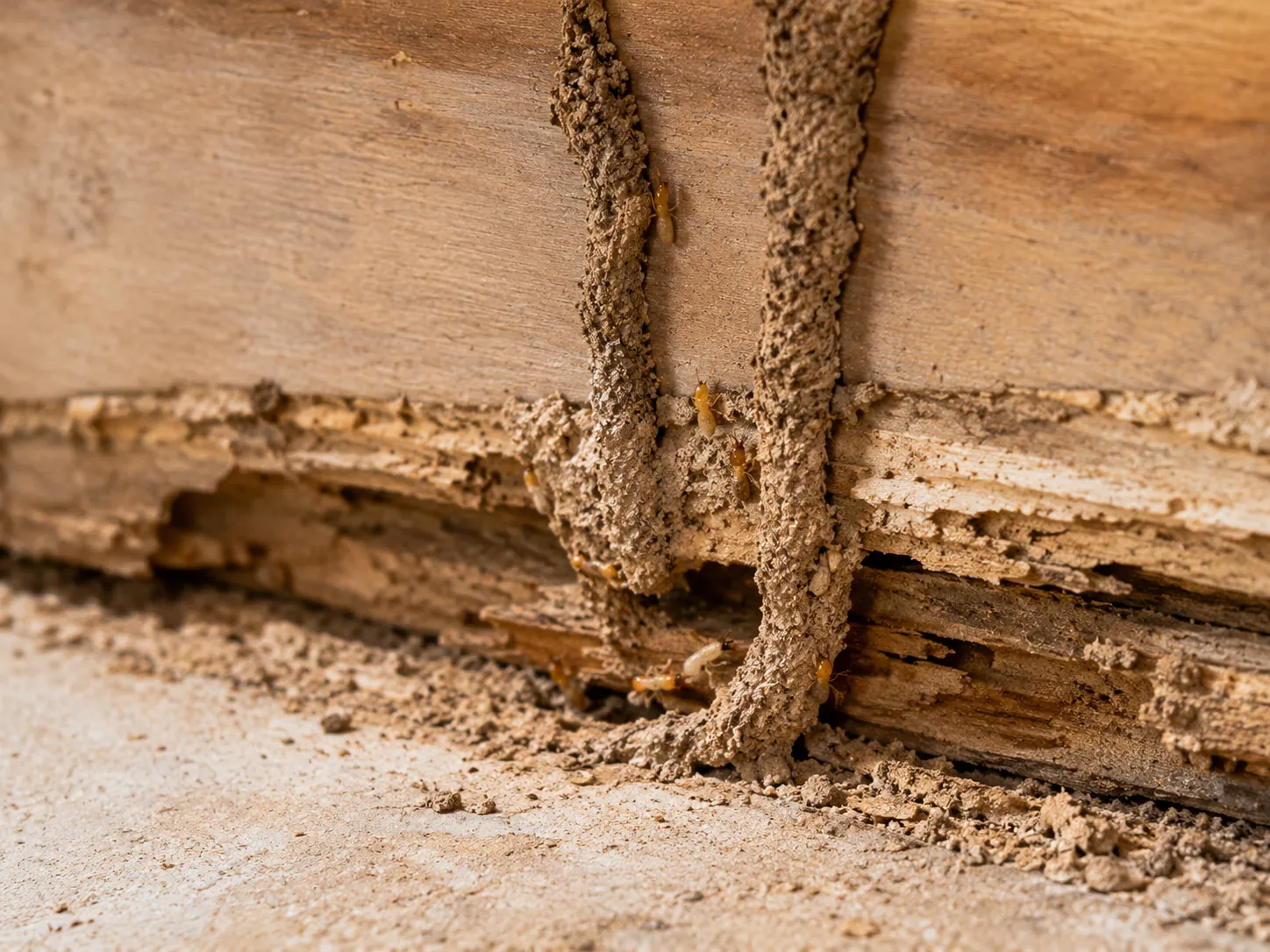
🪵 Termites
Feed on cellulose-based materials such as wood, causing serious structural damage. Activity can remain hidden for a long time.
⚠ Structural Risk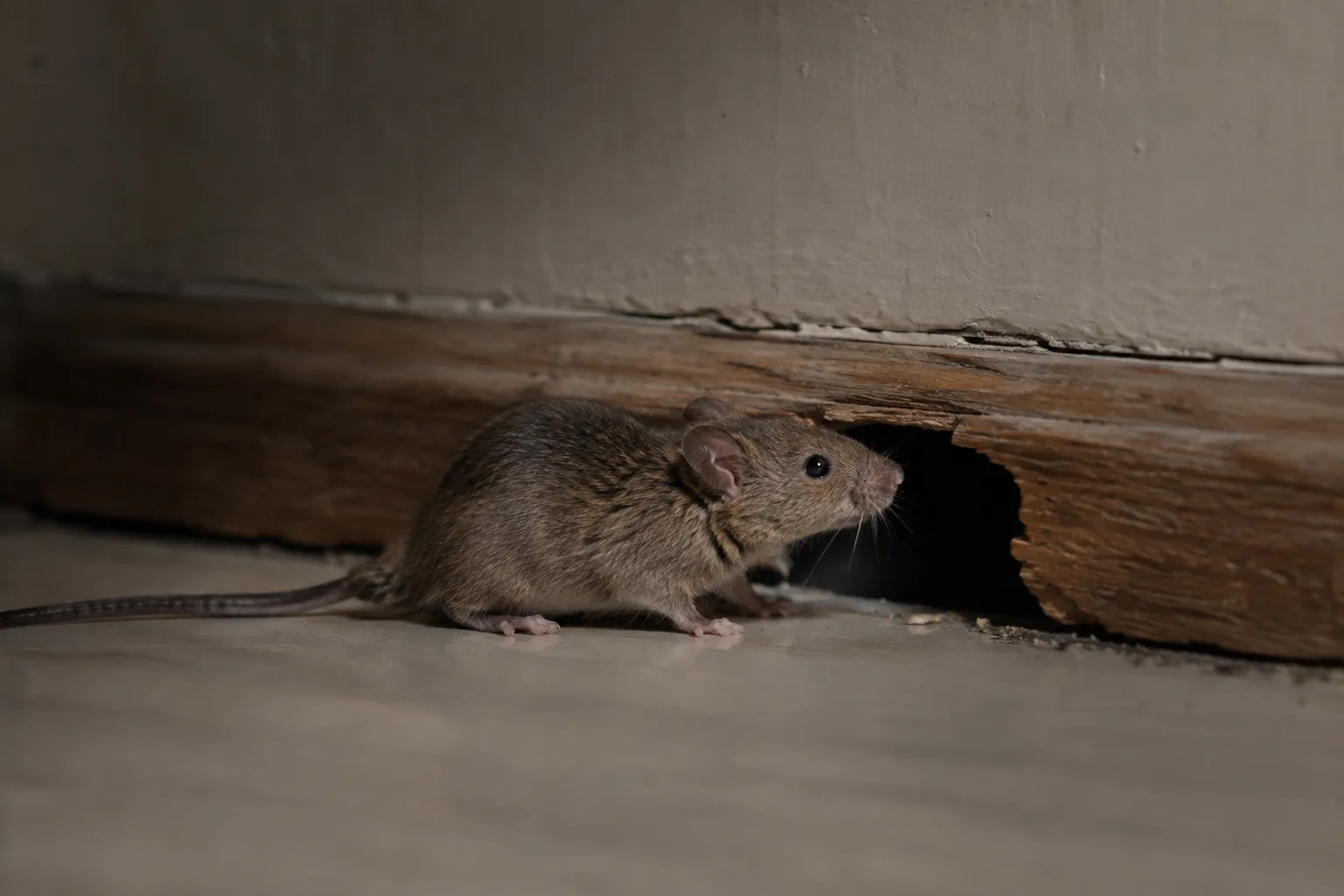
🐀 Rodents
Contaminate food, damage property, and create hygiene problems. Control requires addressing entry points and food sources too.
⚠ High Risk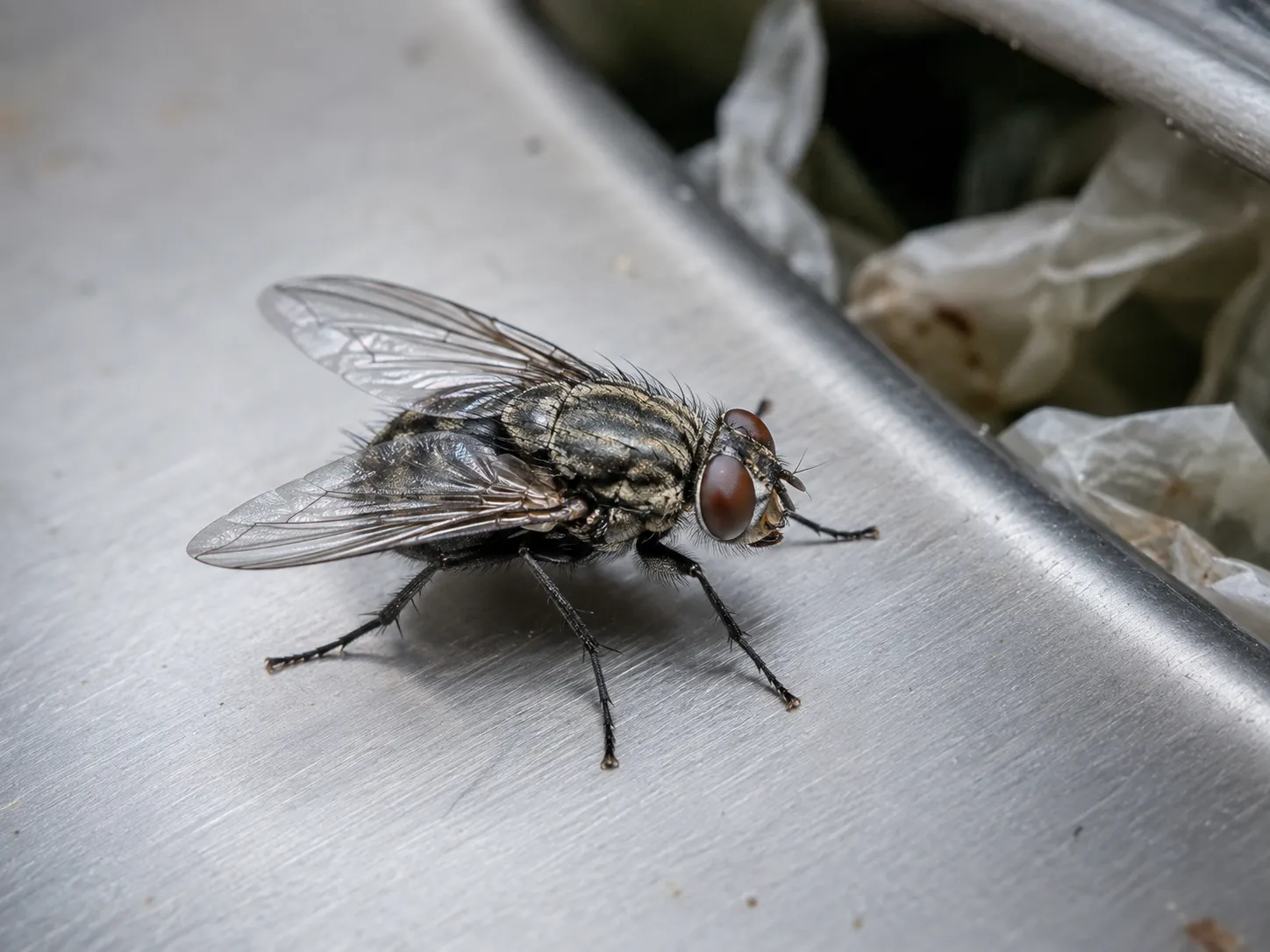
🪰 Flies
Common around kitchens, restaurants, garbage areas, drains, and food businesses. Breeding and feeding sources must be controlled.
⚡ Sanitation RiskWe also treat scorpions, lizards, bees, and silverfish — see the full pest list for details.
When Should You Call a Pest Control Professional?
Not sure if it's time to call someone in? These signs mean it's more than a one-off pest sighting.
- You repeatedly see cockroaches — a sign the population is established, not passing through
- You find signs of bed bugs — bites, small blood spots on sheets, or shed skins near the mattress seams
- You notice termite damage — hollow-sounding wood or visible mud tubes near foundations
- Rodents are entering your property — droppings, gnaw marks, or scratching sounds in walls or ceilings
- Pest activity continues after DIY treatment — a sign the source hasn't been addressed
- You find nests or breeding areas — a strong indicator of an established colony
- Pests are affecting a business — restaurants, hotels, and food businesses carry added hygiene and reputation risk
- You are unsure which pest is causing the problem — correct identification is the first step to effective treatment
Early action can prevent a small pest problem from developing into a larger infestation. If any of this sounds familiar, get in touch for a free inspection.
DIY Pest Control vs Professional Treatment — Honest Comparison
Killing what you can see rarely solves what you can't. Here's why DIY treatment often falls short on serious infestations.
| Factor | DIY (Sprays, Traps, Home Remedies) | Professional Pest Control |
|---|---|---|
| Source Identification | ✗ Usually treats what's visible, not the underlying source | ✓ Inspection finds entry points, nests, and hiding areas |
| Hidden Populations | ✗ Killing visible cockroaches doesn't remove eggs in hidden areas | ✓ Gel baiting and targeted treatment reach hidden populations |
| Bed Bugs | ✗ Treating one area often leaves insects hiding elsewhere | ✓ Detailed inspection covers mattresses, frames, and upholstery |
| Recurrence | ✗ Infestations frequently return within weeks | ✓ Prevention measures and monitoring reduce recurrence |
| Safety | ✗ Product dosage and application safety vary by household | ✓ Correct products, dosage, and safety procedures followed |
| Commercial Suitability | ✗ Not appropriate for restaurants, hotels, or food businesses | ✓ Documented inspections suited to commercial hygiene needs |
Professional pest control can be carried out safely when the correct products, application methods, dosage, and safety procedures are followed. Total Defence uses Dubai Municipality-approved products applied by certified technicians. Before treatment, ask whether occupants need to leave, whether food should be covered or removed, whether pets need to be relocated, and when treated areas can be used again — requirements differ by treatment type.
How Professional Pest Control Works — Step by Step
Wondering what actually happens during a visit? Here's the process, start to finish.
- 1
Inspection
The technician examines the property to identify signs of pest activity, entry points, and hiding areas.
- 2
Pest Identification
Correct identification is important because different pests require different control methods.
- 3
Source Identification
The technician looks for possible food, water, shelter, nesting locations, and entry points driving the infestation.
- 4
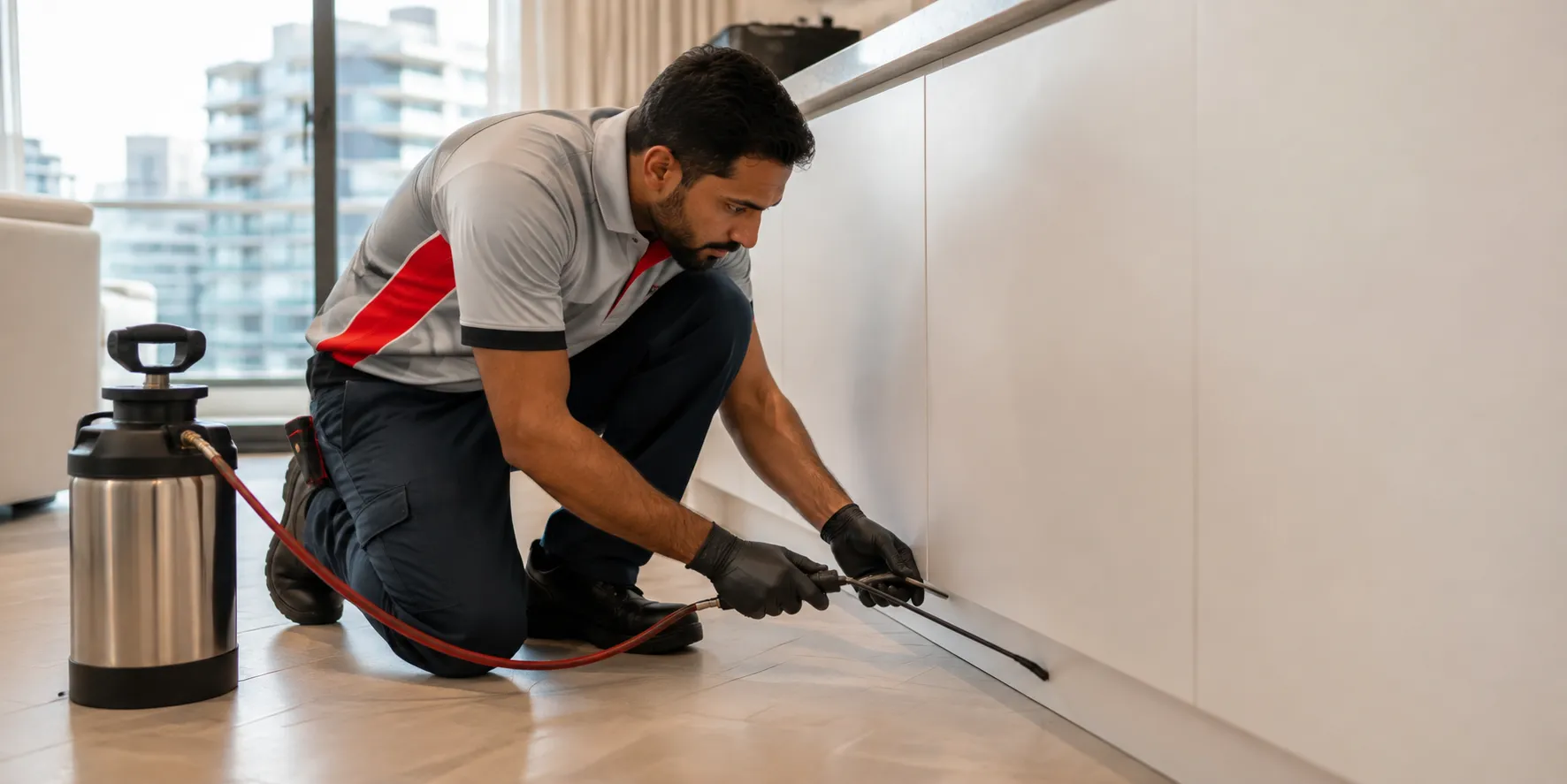
Targeted Treatment
A suitable treatment method — spraying, gel baiting, traps, or exclusion — is selected based on the pest and property type.
- 5
Prevention Recommendations
You receive guidance such as sealing cracks, improving sanitation, fixing leaks, managing waste, and storing food properly.
- 6
Monitoring & Follow-Up
Some infestations require additional inspections or treatments — particularly larger or recurring problems, covered under our 3-month warranty.
How Often Should Pest Control Be Done?
There's no single answer that fits every property — here's what actually determines your ideal schedule.
The required frequency can depend on the type of pest, severity of infestation, property size and type, hygiene conditions, food availability, moisture, previous pest activity, location, and overall risk level. As a general guide, pest control is often recommended quarterly or bi-annually for prevention.
A property with an active infestation may require more frequent treatment initially, while a property with low pest activity may benefit from preventive inspections and periodic treatments. Commercial properties often need ongoing pest management because of greater exposure to food, waste, customers, deliveries, and multiple entry points. The best schedule is based on the property's actual pest risk rather than a one-size-fits-all interval.
How to Prevent Pests After Treatment
Treatment solves today's problem. These habits keep pests from coming back.
- Keep kitchens clean — wipe surfaces and clear food debris daily
- Remove garbage regularly — don't let waste sit in or near the property
- Store food in sealed containers — removes an easy food source
- Repair leaking pipes — moisture attracts cockroaches, ants, and termites
- Keep drains clean — a common hiding and breeding spot for pests
- Seal cracks and gaps — closes off entry points around the property
- Reduce clutter — removes hiding places, especially for bed bugs and rodents
- Check doors and windows for gaps — a simple, low-cost prevention step
For an extra layer of protection, our disinfection and sterilization service pairs well with pest treatment to keep surfaces hygienic between visits.
Residential vs Commercial Pest Control
Requirements shift a lot depending on the property type — here's how homes and businesses differ.
Residential Pest Control
Homes commonly experience cockroaches, ants, bed bugs, termites, flies, and rodents. Our residential pest control service focuses on protecting living spaces while minimising disruption to occupants.
Commercial Pest Control
Restaurants, hotels, offices, shops, warehouses, food businesses, and industrial facilities can require regular inspections, monitoring, documentation, preventive measures, and scheduled treatments. Our commercial pest control service is not only about eliminating visible insects — preventing recurring infestations is equally important for hygiene and customer confidence.
Pest Control & Related Services
Explore our other services across Dubai, Sharjah & Ajman.
Areas We Serve Across Dubai, Sharjah & Ajman
Same-day assessment available across all major districts. Find your area on the map below.
We provide professional pest control services across Dubai, Sharjah & Ajman — from residential communities and high-rises to restaurants, hotels, offices, and warehouses. See our About Us page for more on our team and coverage.
We cover all of Dubai, Sharjah & Ajman — including Dubai Marina, JBR, Downtown, Business Bay, Al Barsha, Al Nahda, Al Majaz, Muwailih, Al Qasimia, Industrial Areas, and surrounding communities.
Frequently Asked Questions
The short answers our customers ask for most before booking.
What is pest control?
Pest control is the process of preventing, managing, and eliminating unwanted pests such as cockroaches, ants, termites, bed bugs, flies, and rodents from homes and businesses. See our full list of pest control services.
Is pest control safe for humans?
Professional pest control can be performed safely when appropriate products and application procedures are used and the recommended safety instructions are followed. We use Dubai Municipality-approved products.
How often should pest control be done?
The frequency depends on the pest, infestation level, property type, environmental conditions, and risk of recurrence. Some properties need one treatment, while others benefit from regular preventive pest management — often quarterly or bi-annually.
Can pest control get rid of bed bugs?
Professional pest control can eliminate bed bug infestations, but treatment can require detailed inspection, targeted treatment, preparation, and follow-up visits.
Is professional pest control better than DIY treatment?
For serious, recurring, or difficult-to-identify infestations, professional pest control provides a more systematic approach through inspection, identification, targeted treatment, and monitoring.
Where can I find pest control services in Dubai, Sharjah or Ajman?
Compare companies based on their experience, treatment methods, safety procedures, reviews, service area, and ability to handle your particular pest problem. Contact Total Defence for a free, no-obligation site assessment.
Pest Problem in Dubai, Sharjah or Ajman? Get It Resolved Professionally.
Licensed & insured · Safe for children and pets · 3 Months Warranty · Free consultation available